




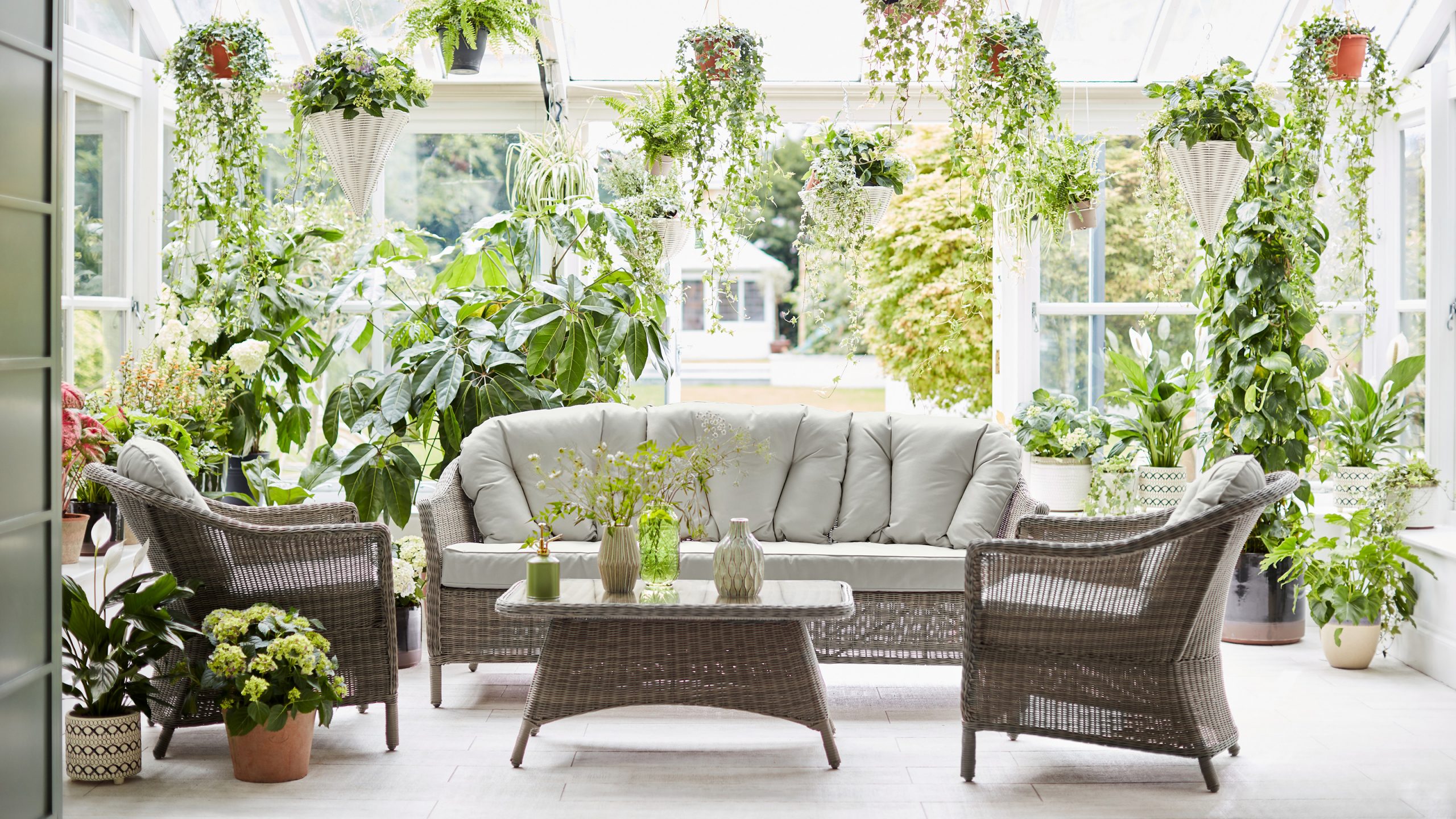


A house provides shelter, but a home provides comfort, connection, and a sense of belonging. Many people move into new spaces that look clean and functional, yet something feels missing. The walls may be painted, the furniture arranged, and the appliances installed—but the space still lacks warmth and personality. Turning a house into a home is less about expensive renovations and more about thoughtful details.
Creating a welcoming environment involves layering comfort, personal touches, lighting, and meaningful memories. It is about designing a space that reflects the people living there. A true home feels safe, familiar, and relaxing. It supports daily routines while also offering small joys, whether through cozy corners, favorite scents, or family photos.
The good news is that transforming a house into a home does not require a large budget. Small, intentional changes can dramatically improve how a space feels. With a little creativity and attention to atmosphere, any house can become a place that feels deeply personal and inviting.
Add Personal Touches That Tell Your Story
One of the fastest ways to make a house feel like a home is by adding personal items that reflect memories and identity. Family photos, travel souvenirs, handmade décor, and artwork chosen with intention create emotional connection. These details make a space feel lived-in rather than staged.
Gallery walls, framed photos on shelves, or meaningful objects placed on coffee tables instantly add warmth. Even books, hobbies, or musical instruments displayed in an organized way help tell a story about the people who live there.
These changes are often highlighted in cozy home styling and interior comfort ideas because they shift focus from design trends to authenticity. A home should not feel like a showroom. It should reflect personality and lived experiences.
Personal touches also create conversation points when guests visit. Instead of a generic space, the home becomes a reflection of shared history and individual taste. That emotional layer is what truly separates a house from a home.
Improve Lighting for a Warmer Atmosphere
Lighting has a powerful effect on mood. Many houses come with bright overhead lights that feel cold or harsh. Replacing bulbs with warm-toned lighting can instantly create a softer and more inviting atmosphere.
Layered lighting is especially effective. Combining floor lamps, table lamps, string lights, and candles creates depth and coziness. Dimmer switches also allow flexibility between bright task lighting and relaxed evening ambiance.
These techniques are frequently recommended in practical home improvement and lifestyle inspiration guides because they are affordable and high-impact. Lighting can completely change how walls, furniture, and décor appear.
Natural light also plays an important role. Keeping windows clean and using light, airy curtains helps maximize sunlight during the day. When lighting feels balanced and intentional, the entire home feels calmer and more comfortable.
Use Textiles to Add Warmth and Comfort
Textiles are essential in creating a cozy home. Rugs, throw blankets, cushions, and curtains soften hard surfaces and add texture. Even simple changes like adding a plush rug to a living room or layering pillows on a sofa can make the space feel warmer.
Bedrooms especially benefit from upgraded bedding. Soft sheets, layered blankets, and coordinated pillows create a hotel-like comfort while still feeling personal. Curtains also help frame windows and make ceilings feel taller when hung properly.
Many cozy home styling and interior comfort ideas focus on texture because it affects both visual warmth and physical comfort. A room filled with soft materials feels more welcoming than one dominated by hard surfaces.
Textiles also allow easy seasonal changes. Lighter fabrics in summer and thicker throws in winter help maintain comfort throughout the year. This flexibility keeps the home feeling fresh and inviting.
Create Functional and Comfortable Gathering Spaces
A home should support connection. Arranging furniture to encourage conversation can make a significant difference. Instead of pushing seating against walls, creating small conversational groupings makes rooms feel more intentional.
Coffee tables, side tables, and comfortable seating help people relax and interact. Even a small dining area with warm lighting can become the heart of the home. Kitchens often feel welcoming when counters are organized and open for shared cooking or conversation.
These strategies align with practical home improvement and lifestyle inspiration principles because they focus on usability. A beautiful home that is uncomfortable or impractical does not feel welcoming.
When spaces are arranged to support daily life—reading corners, shared meals, quiet reflection—the house naturally feels more like home. Comfort and function should always work together rather than compete.
Introduce Scent, Sound, and Greenery
Creating a home involves more than visual design. Scent and sound significantly influence how a space feels. Candles, essential oil diffusers, or fresh flowers introduce subtle fragrance that makes rooms feel inviting. Pleasant background music can also enhance relaxation.
Adding plants is another powerful upgrade. Greenery brings life into a space and improves air quality. Even a few small houseplants can brighten rooms and create a calming atmosphere.
These details are often included in cozy home styling and interior comfort ideas because they engage multiple senses. A home that smells fresh, feels soft, and looks lively creates a complete sensory experience.
Small sensory additions make everyday routines more enjoyable. Over time, these comforting details create a sense of familiarity and emotional attachment to the space.
Conclusion
Making a house feel like a home is not about spending large amounts of money—it is about creating warmth, personality, and comfort through thoughtful choices. Personal touches, improved lighting, layered textiles, functional gathering spaces, and sensory details such as scent and greenery all contribute to a welcoming atmosphere. By following cozy home styling and interior comfort ideas, homeowners can design spaces that feel authentic and emotionally connected rather than simply decorative. At the same time, applying practical home improvement and lifestyle inspiration ensures that changes are both meaningful and functional. A true home reflects the people who live there and supports daily life in a comfortable way. Even small adjustments can transform a house into a space filled with warmth and belonging. With intention and creativity, any house—no matter its size or style—can become a place that feels deeply personal, inviting, and genuinely like home.