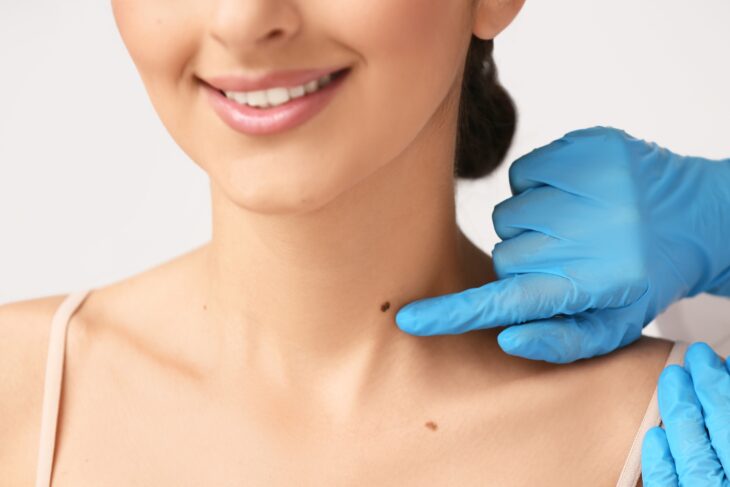
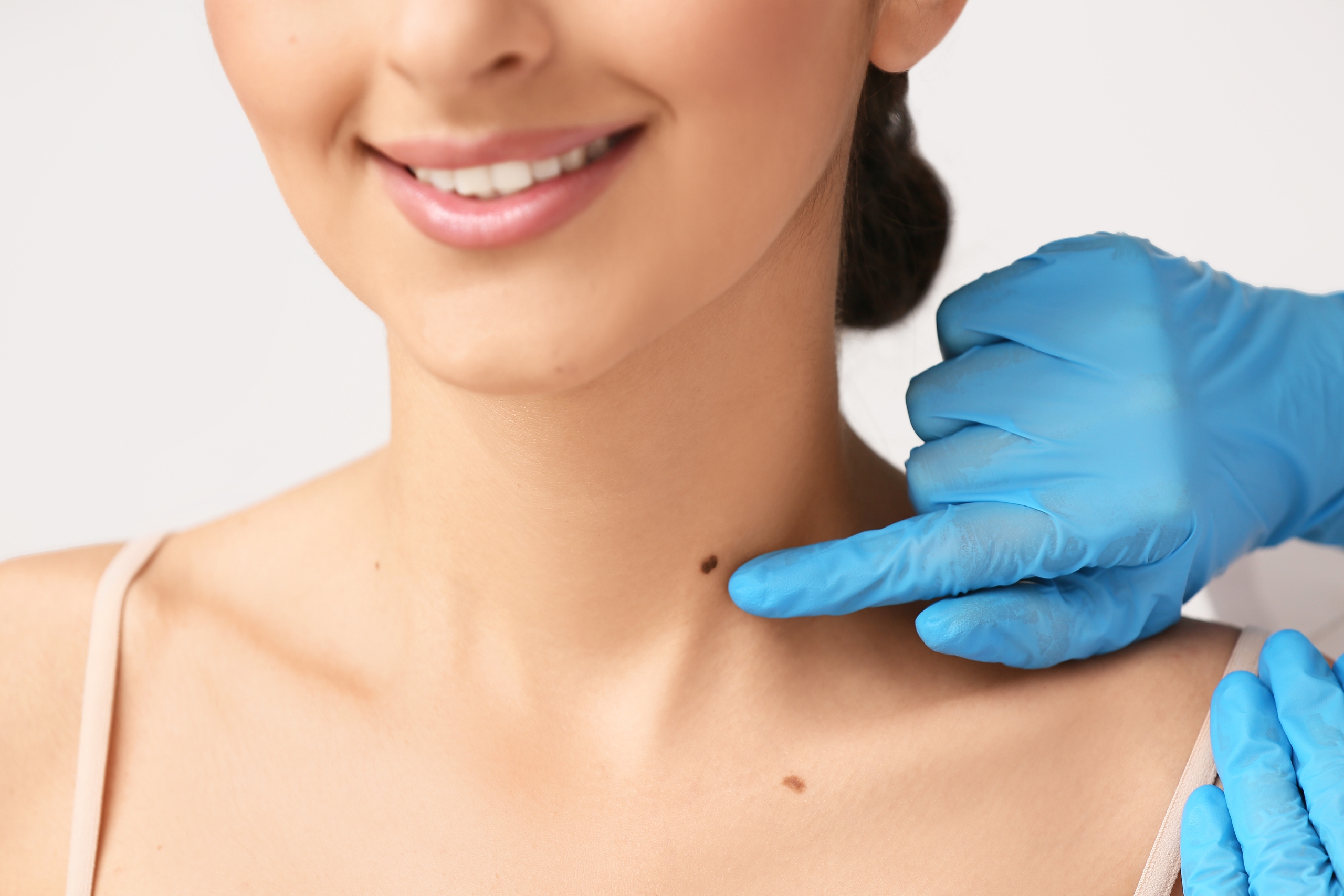
Moles are common skin growths that most people develop at some point in their lives. While many moles are harmless and purely cosmetic, some may cause discomfort, irritation, or concern due to changes in shape, size, or color. In certain cases, dermatologists may recommend removal for medical evaluation or aesthetic reasons. Understanding the different types of mole removal procedures helps patients make informed decisions about their skin health.
It is important to note that mole removal should always be performed by a licensed dermatologist or qualified medical professional. Attempting to remove a mole at home can lead to infection, scarring, or missed warning signs of serious skin conditions. Professional evaluation ensures proper diagnosis and safe treatment.
This guide explains the most common mole removal procedures offered by dermatologists, along with what patients can expect during recovery. It also outlines essential aftercare steps to promote healing and reduce the risk of complications. Proper care before and after the procedure plays a significant role in achieving safe and successful results.
Why Dermatologists Recommend Mole Removal
Dermatologists may suggest mole removal for several reasons. In some cases, a mole changes in color, shape, or size, which can raise concern for potential skin cancer. Irregular borders, uneven coloring, or rapid growth often require further examination. Removing the mole allows it to be sent for laboratory testing (biopsy) to rule out serious conditions.
Other times, mole removal is requested for cosmetic reasons. Some individuals feel self-conscious about visible moles on the face, neck, or other prominent areas. Moles that frequently rub against clothing, jewelry, or shaving areas may also become irritated and uncomfortable.
Understanding the reasons behind removal is part of professional mole removal procedures and skin care planning. Dermatologists evaluate each mole carefully before recommending a treatment method. The approach depends on the mole’s size, depth, and location.
Seeking trusted health and beauty care advice from a medical professional ensures that removal decisions are based on health and safety rather than appearance alone.
Surgical Excision: Complete Mole Removal
Surgical excision is one of the most common mole removal methods. During this procedure, the dermatologist uses a scalpel to cut out the mole along with a small margin of surrounding skin. The wound is then closed with stitches.
This method is often used for moles that appear suspicious or deeper within the skin. Because the entire mole is removed, excision reduces the chance of recurrence. It also allows for accurate biopsy testing when needed.
In discussions about professional mole removal procedures and skin care, surgical excision is considered a reliable option for complete removal. However, stitches may result in a small scar. Dermatologists typically place sutures carefully to minimize visible marks.
After the procedure, proper wound care is essential. Following trusted health and beauty care advice helps reduce infection risk and promotes smoother healing. Stitches are usually removed within one to two weeks, depending on the location.
Shave Removal: A Less Invasive Option
Shave removal is another commonly used technique. In this procedure, the dermatologist uses a small surgical blade to shave the mole off at skin level. Unlike excision, stitches are usually not required.
Shave removal is often recommended for raised moles that are not deeply rooted. It is generally quicker and may leave a smaller scar compared to excision. However, if the mole extends deeper beneath the skin, there is a possibility that some pigment may remain.
This technique is frequently mentioned in professional mole removal procedures and skin care discussions because it is minimally invasive and efficient. It is often performed under local anesthesia to ensure comfort.
Aftercare includes keeping the area clean, applying prescribed ointment, and avoiding sun exposure during healing. Seeking trusted health and beauty care advice ensures that patients understand proper wound care to prevent scarring or discoloration.
Laser Mole Removal: Cosmetic-Focused Treatment
Laser removal is typically used for smaller, non-cancerous moles. The procedure involves using concentrated light energy to break down pigmented cells. It is less invasive and often does not require stitches.
Laser treatment is usually considered for cosmetic purposes rather than medical concerns. It may require multiple sessions depending on the mole’s depth and pigmentation. Because laser removal does not remove tissue in one piece, it is not typically used for moles that need biopsy testing.
In professional mole removal procedures and skin care, laser treatments are often chosen for aesthetic improvement rather than diagnostic purposes. Recovery is usually faster, and scarring may be minimal if performed correctly.
However, post-treatment care is still important. Following trusted health and beauty care advice includes protecting the treated area from sun exposure and avoiding picking at healing skin.
Aftercare: Promoting Healing and Preventing Complications
Aftercare is a crucial part of any mole removal procedure. Regardless of the technique used, keeping the area clean and dry helps prevent infection. Dermatologists often recommend applying antibiotic ointment and covering the wound with a sterile bandage.
Patients should avoid direct sun exposure on the treated area during healing. Sun protection reduces the risk of darkening scars. It is also important not to scratch or pick at scabs, as this can increase scarring.
Proper aftercare is emphasized in professional mole removal procedures and skin care guidance because healing directly affects cosmetic outcomes. If redness, swelling, or unusual discharge occurs, contacting the dermatologist promptly is essential.
By following trusted health and beauty care advice, patients can support healthy skin recovery and reduce the likelihood of long-term marks or complications.
Conclusion
Mole removal is a common dermatological procedure that can be performed safely and effectively when handled by a qualified professional. Surgical excision, shave removal, and laser treatments each serve different purposes depending on the mole’s characteristics and medical needs. Choosing the appropriate method requires careful evaluation by a dermatologist to ensure both safety and accurate diagnosis when necessary. Understanding professional mole removal procedures and skin care options helps patients feel more confident in their treatment decisions. Equally important is following trusted health and beauty care advice during the recovery period, including proper wound care, sun protection, and monitoring for signs of infection. While minor scarring can occur, responsible aftercare significantly improves healing outcomes. Anyone considering mole removal should prioritize medical consultation rather than at-home methods, as professional assessment protects both skin health and overall well-being. With proper evaluation and aftercare, mole removal can be a safe and straightforward process that supports both health and confidence.